
Who is Behind the Nakasendō Project
The Nakasendō Project grew out of a simple question: why was it so hard to find a reliable guide to walking the Nakasendō? In 2019, as we began planning to walk lesser-known sections of the road, we searched widely, first in English, then in Japanese, for material that treated the route as more than a pleasant hike. What we found instead were fragments: brief walking notes, selective histories, or guides that assumed a shared cultural background and left much unsaid. When we finally found Japanese guides, their often cryptic historical references only deepened our sense that the road held far more story than was being told.
When the world closed down in early 2020 and travel to Japan became impossible, curiosity turned into commitment. We began researching in earnest, at first broadly, then with increasing focus, translating 18th-century Japanese travel diaries, reading Edo-period illustrated travelogues (meisho zue), and Western traveler accounts from the nineteenth century. Having lived in and traveled to Japan regularly over three decades, it was fascinating to see the legacy of the Nakasendō and travel culture in the modern Japanese we knew. When we discussed the project with our Japanese friends, it was clear many of our findings were completely new to them, and their encouragement gave us much support.
By 2023, that research had grown into a working library of over 400 sources in Japanese, English, and Dutch, ranging from academic studies and historical maps to early modern diaries and contemporary local histories. When Japan cautiously reopened, we were ready. Over the next two years, we spent months walking the Nakasendō from Nihonbashi in Tokyo to Sanjō Ōhashi in Kyoto, following the route as closely as modern Japan allows.
What we encountered along the way confirmed why the project mattered. We ate in restaurants that have been serving travelers for centuries, shared tea with families whose ancestors once ran post-town inns, and spent long afternoons with local museum curators and amateur historians who know their stretch of the road intimately. Many were surprised that two non-Japanese walkers were committed to documenting the entire route, but the response was overwhelmingly generous. People were proud of their local history and eager to see it understood as part of a larger whole.
The Nakasendō Project rests on this combination of sustained research and lived experience. It is neither a nostalgic reconstruction nor a curated highlights tour. It is an attempt to understand the road as travelers once did—step by step—while giving modern walkers the context needed to see what is still there, what has changed, and why the Nakasendō continues to matter.
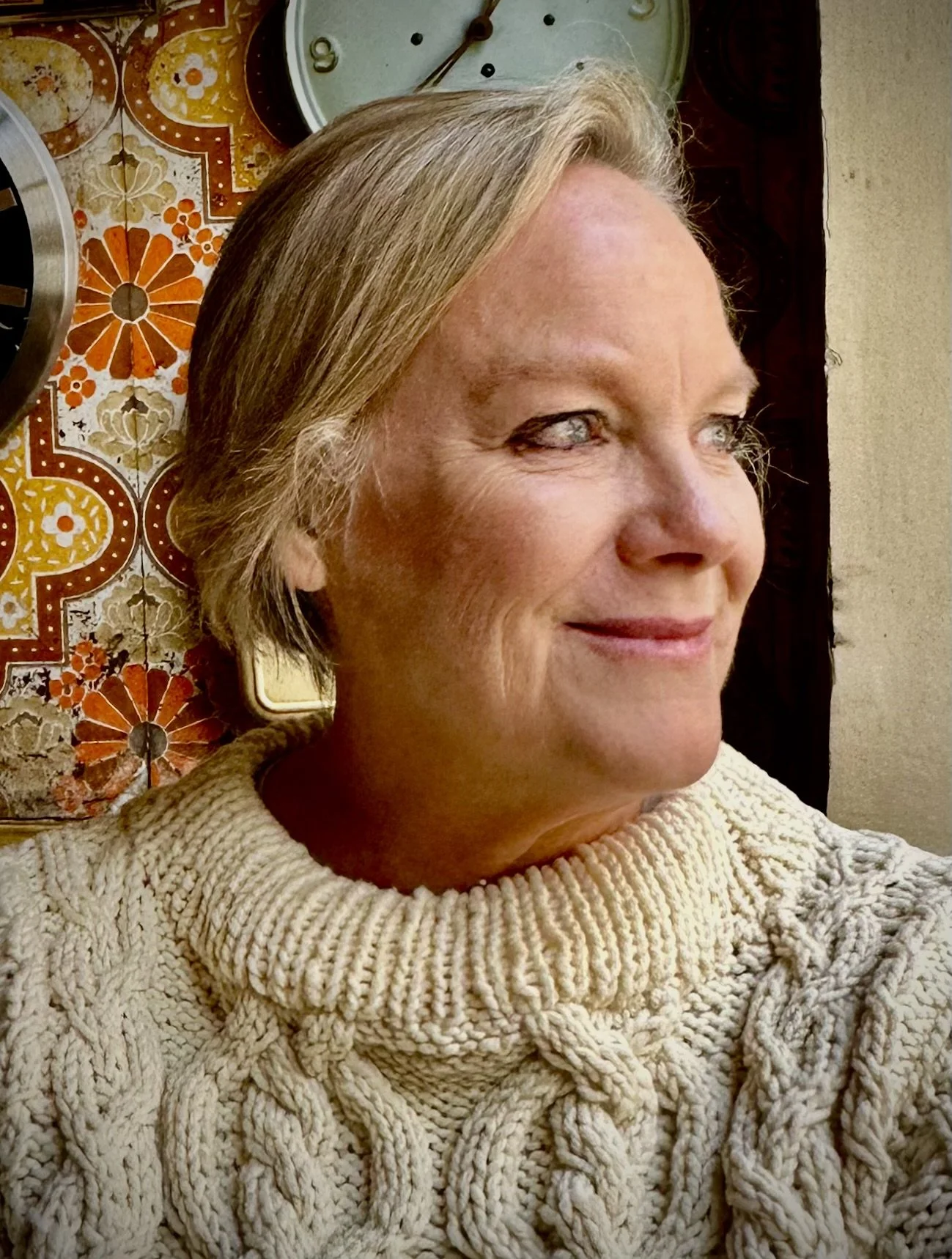
Carrie Turney Lange
Carrie Turney Lange holds an Undergraduate Degree in Linguistics and a Master’s Degree in Asian Studies, with academic focus on Japan. She lived and worked in Tokyo in the late 1980s and has spent decades traveling extensively throughout the country. Fluent in spoken and written Japanese, her research centers on social history, material culture, and regional craft traditions relevant to life along the Nakasendō informed by repeated on-foot traverses of the road. Focus: Road documentation, translation and mapping.
Project Status
Literature and Field Research completed.
Manuscript in preparation, Sample chapters, images, maps and project materials available upon request.
Planned publication window (Late 2026/Early 2027)
Frank W. Lange
Frank W. Lange holds an Undergraduate Degree in International Relations with a minor in Japanese history and a Master’s Degree in Asian Studies focused on Japan–China economic relations. After living and working in Tokyo in the 1980s, he spent over 30 years as a senior business executive specializing in Japan and Asia. He now focuses on historical research, photography, and travel culture, informed by firsthand experience walking the entire Nakasendō. Focus: Historical research, photography and editing.
Project Standards and Research Approach
Sources and Evidence
Researching travel in pre-modern Japan presents real challenges. Western scholarship on everyday movement in the Edo period is still relatively limited, while in Japan the subject is often fragmented across local histories, family records, and materials that were never intended for a national audience. Along the Nakasendō, documents, traveler accounts, and visual records continue to surface in private collections and local archives. As a result, widely repeated “facts” about the road often turn out to be partial, exaggerated, or rooted more in legend than in evidence.
For that reason, the Nakasendō Project approaches historical claims with caution. Names, dates, events, and depictions—especially those connected to famous battles or well-known figures—are cross-checked wherever possible against multiple sources. When accounts conflict or certainty is not possible, that uncertainty is noted rather than smoothed over. The aim is not to strip the road of its stories, but to distinguish clearly between documented history, local tradition, and later embellishment.
Route Alignment and Reconstruction
The physical road itself presents similar challenges. Over three centuries, the Nakasendō has been reshaped by floods, land reform, railways, and modern highways. In some areas, the historic route is clear and well preserved; in others, it has been partially erased. Where alignment is ambiguous, route choices are based on historical maps, written descriptions, field observation, and conversations with local residents who know the terrain intimately. These judgment calls are documented in the text so readers understand where the historic road is certain—and where it is reconstructed.
Practical considerations also matter. Safety, walkability, and access inevitably affect how the route can be followed today. Where detours or diversions are necessary, they are noted explicitly, with explanations for why they are used and how they differ from the original alignment.
What We Chose Not to Recommend
Finally, the project takes a deliberately restrained approach to contemporary recommendations. The disruptions caused by COVID reshaped rural Japan in lasting ways: long-standing businesses closed, others relocated, and new ones emerged. Because of this volatility, the project avoids recommending restaurants, shops, inns, or facilities unless they hold clear historical significance. Reliable, up-to-date tools already exist to help travelers find lodging and meals.
Media Kit
For Press, Publishers, and Partners…
Contact us for a media kit and any other inquiries.